

By: Hazel Gane Pilapil
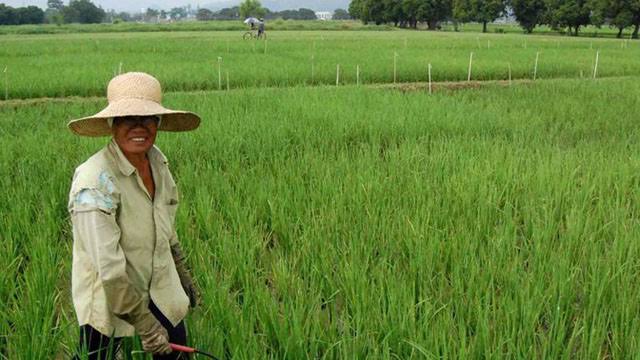
With arithmetic arrivals of Rice Tarrification, and ’10 times higher’ budget proposal for agriculture sector, expect the best and the worst changes in the next consecutive years.
Early before President Rodrigo Duterte gave his pronouncements to Department of Agriculture Secretary Emmanuel Pinol, demanding the budget for the agency to increase, Rice Tarrification has been enacted into law.
Yet the certification of the said bill will be happened in the upcoming month of October, the new allocation of Agriculture is assumed to come along the enforcement.
In its urgency, the bill targets to diminish the import restrictions, impose 40 % tariff tax for businessmen who will be allowed to buy rice from foreign individuals, and the tax in return will support local farmers by funding mass irrigation, rice storage, and research advancements.
While the current allocation for the sector is 86 billion, Pinol said that Duterte demands to have it boosts ’10 times bigger’ to solve the scarcity of food production due to drastically growing population in the country.
“During a full Cabinet meeting last night, the President asked the Agriculture Secretary to submit a budget proposal ‘10 times bigger’ than what it has now,” Mr. Piñol said in his post.
Amid high and low stakes
Since the source of tariff taxes will be taken from private individuals who are guaranteed to negotiate with foreign imports provided by the bill, various groups including Kilusan ng Magbubukid ng Pilipinas (KMP), and Anakpawis believed that Rice Tarrification will not decrease the national amount of rice, and poverty.
Instead as they stated, the ratification of the bill will support side by side importation cartels and would slowly drag the local industry brought about by filipino farmers.
“The end mission of tariffication is zero-tariff entry or the ‘free flow’ of goods. We could simply look at it, similar to smuggling, where the state has put its hands off of the market, on the rice sector. It is death to Filipino farmers and the Duterte government is principally accountable for this certain man-made economic calamity,” Anakpawis Party-list Representative Ariel Casilao says during the protest.
On the other hand, netizens online expressed mixed reactions regarding the budget hike for the agriculture most especially it was proposed by the President Duterte himself.
Others are skeptic because corruption scheme is still assumed to be strongly circulating in politics, while others hear it as a good news, as it will support the food production at all cost, and will bring better lives for the farmers.
“Hay naku, sana ayusin lang nila yan. Wag na wag nilang ibubulsa,” says by one netizen in his post.
Right now, budget proposal is on its way together with internal budget hearings with regional authorities on the process, while rice tarrification on its formal certification in October, is still being studied.
 Young ECHO
Leave a comment