

Rodney Artida
Hundreds if not thousands of old structures all over the archipelago are being scrapped and demolished to make way for modern buildings. We are shortsighted and often overlook the importance of these old buildings who are witness to our history and heritage. According to a renowned architect, Manila and the rest of the Philippines is guilty of failing to realize the importance to the City Beautiful movement in the early 20th century which sought to revive Renaissance architecture for decades. Our country has failed to make our Baroque and Gothic-inspired churches into a mecca for tourists, as well as experimenting with the rich influence of eastern and Muslim architecture in our culture, identity and tradition.
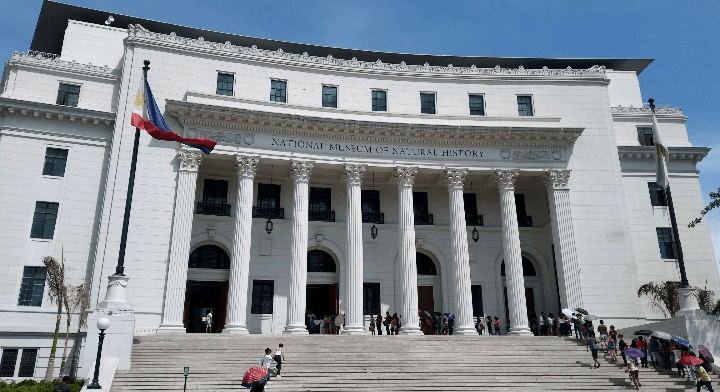
There are ways to breathe new life for structurally sound buildings with purposes no longer relevant nor feasible. Through adaptive re-use, built structures can be saved from turning into rubbles while conserving resources and historic value.
The cost of Restoration and adaptive re-use can be more than the budget allotted for demolishing a structure and starting from the ground up, that is the main reason why owners of the heritage property opted to replace it with more profitable building. Unlike us, many of our neighbors see the environmental benefits, socio-cultural significance, and economic doles of recycling a valued heritage is more rewarding in the long-run.
According to Architect Felino Palafox Jr., the main environmental benefits of reusing buildings are the retention of the original building’s ‘embodied energy,’ the energy expended by all of the processes related with the construction of the building and therefore restore the heritage significance of a historic building. Instead of building more structures, adaptive reuse/restoration is often seen as more practical measure.
Restoration also has social benefits as communities are getting wary and recognize the need to protect, preserve, and adapt heritage buildings into accessible, functional spaces. The structure’s location, access, and public transport availability creates a greater opportunity for citizens to appreciate and rediscover their city’s gems. Isn’t amazing that we can still reconnect and reimagine our rich and diverse culture and architecture?
Tourism is one of the major economic growth drivers in the Philippines, in fact, a whopping 7 million tourist visited the country last year despite the closure of Boracay. Moreover, there’s a dramatic increase in heritage tours in the Philippines and will continue to do so as old cities are getting refurbished and restored. Furthermore, historical building restoration starts a domino effect by increasing property values, additional revenue to the city, creating more jobs and gentrifying the locality. The Heritage Conservation Society (HCS) is fine-tuning a law that would give tax incentives to owners of heritage buildings, homes, and other structures that would undergo adaptive reuse.
Embracing culture, heritage, and identity would never be wrong and would never go out of style. Let’s not sacrifice heritage and culturally-significant structures to give way for commercialization. Progress is not bad as long as it does not pose as threat to our identity.
 Young ECHO
Leave a comment