

Words and Photos by: Cedrix Perez
Japan is known for its very efficient and convenient public transportation system. From the Edo period (1603-1868) to the introduction of tram in 1895 and the development of bus and rail in the 1900s, rural and urban transportation in the ‘land of the rising sun’ has changed significantly and progressed into one of the best, if not, the best in the world.
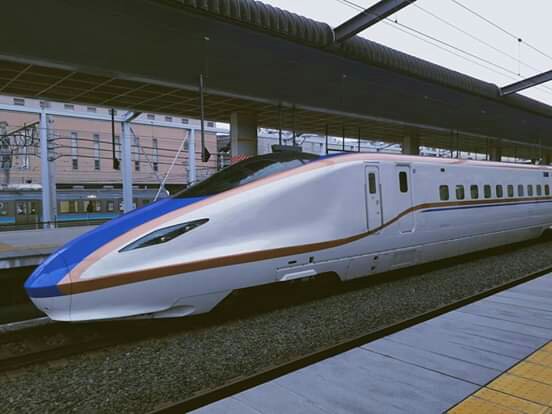
This was one of the key topics presented to us during the Japan-East Asia Network of Exchange for Students and Youths (JENESYS) 2018 Youth Exchange Program for Media Industry last December.
Tokyo subway system is one of the largest and most complex in the world. It handles about 8 million passengers a day.
Japan is known for its very efficient and convenient public transportation system. From the Edo period (1603-1868) to the introduction of tram in 1895 and the development of bus and rail in the 1900s, rural and urban transportation in the ‘land of the rising sun’ has changed significantly and progressed into one of the best, if not, the best in the world.
Ensen-Kaihatsu: Development along the railway line
Professor Atsushi Fukuda of the Department of Transportation and Systems Engineering of Nihon University shared to communication students and young journalists from the Philippines the history of Japan’s transportation as well as development initiatives to further improve their services.

Professor Atsushi Fukuda of the Department of Transportation and Systems Engineering of Nihon University presents the history of Japan’s transportation.
Connectivity and convenience is vital in considering the location and what kind of public transportation to use. Accessibility is important in the development of an urban transport system, Prof. Fukuda said.
Development is all encompassing. Infrastructure is very important for the progress of a country. It is the responsibility of the government to provide a system based on data and evidence, he added.
This is where the concept of ‘Ensen-Kaihatsu’ enters. Ensen means “along a railway line; Kaihatsu means development. The term covers various developments such as schools, hotels, department stores, parks and other infrastructure projects along the transport system line to provide people their day to day needs.
The first area development along a railway line was done at Ikeda Muromachi area in Osaka City in 1910 by Mr. Ichizo Kobayashi of Minoarima Electric Train. Kobayashi’s idea was to initially develop a railway line in a less-populated area and construct a residential area and shopping center around the station.
Kobayashi believed that in order to advance the operation of railways and continuously provide excellent service to its constituents, companies must not rely on ticket sales alone. Additional income from stall rents and real estate is a big boost on a company’s revenues.
Creating a sub-center away from the core business districts and metropolitan areas is a great help in decongesting and addressing rapid population growt.
Tokyo Subway Observations
After a two-hour lecture, the delegates had the chance to see and experience Japan’s subway system. The Tokyo subway network is big and complicated, but with maps and signs posted everywhere and with the use of technology like mobile phone apps, you will not get lost.
The Japanese are known for being disciplined and orderly, reflecting these values in its implementation of subway trains’ schedule. If the train is late even for a minute, a staff member will apologize for any inconvenience caused. The system for escalators (stand on the left, walk on the right) is always applied even if there’s no one coming down the other side. Even during rush hour, there is no chaos. People line up on the side of the doors to let passengers exit, waiting for their turn, before coming in.
With vending machines available in almost every corner of each station, commuters can grab a drink or snack whenever they want. Also, there is a FAST and free WIFI everywhere so you are always connected.
 Young ECHO
Leave a comment